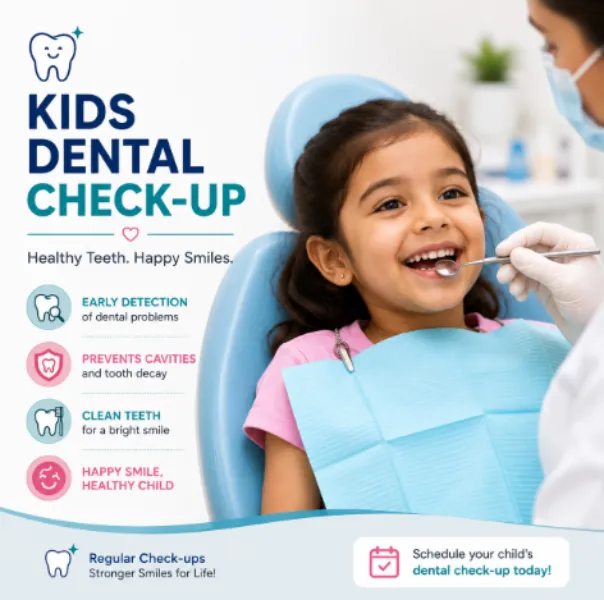
A child’s dental care should begin much earlier than many parents expect. It is common to wait until a child complains of toothache, develops a visible cavity, or has difficulty eating before scheduling a dental visit. However, preventive dental care can help identify concerns before they become painful or require extensive treatment.
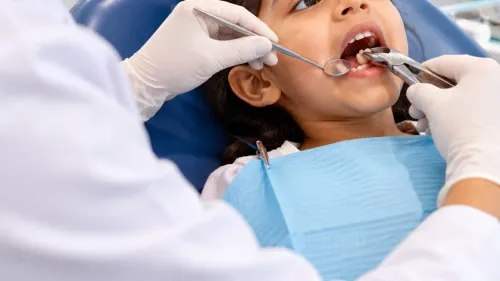
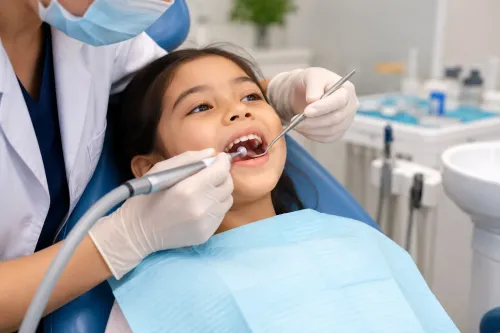
A kids dentist focuses on the dental needs of infants, children, and growing teenagers. Since a child’s teeth, jaws, oral habits, and ability to cooperate during treatment differ from those of adults, dental visits during childhood require an age-appropriate approach.
When Should the First Dental Visit Happen?
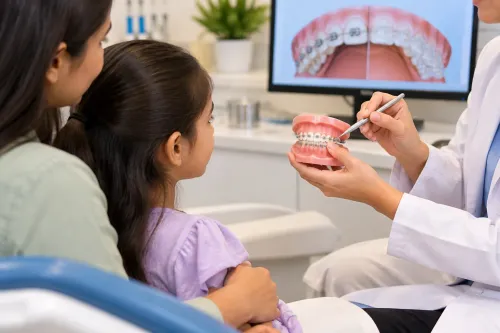
Parents are generally advised to arrange an early dental assessment after the first tooth appears or around the child’s first birthday. The purpose of an early visit is not necessarily treatment. It gives the dentist an opportunity to check tooth development and guide parents on everyday oral care.
For families in Pune, particularly those looking for accessible dental care around Hadapsar, starting early can also help children become familiar with the dental environment before they associate it with tooth pain.
Signs Your Child May Need a Dental Check-Up
Even when children do not complain, certain changes deserve attention. Parents should consider a dental evaluation if they notice:
- White, brown, or black spots on teeth
- Tooth sensitivity while eating
- Pain when chewing
- Swelling around a tooth or gum
- Persistent bad breath
- Bleeding gums
- Broken or chipped teeth
- Delayed or unusual tooth eruption
- Frequent food trapping between teeth
- Thumb sucking or other oral habits continuing beyond the expected age
A child who suddenly avoids eating on one side may also be experiencing dental discomfort.
Why Milk Teeth Need Proper Care
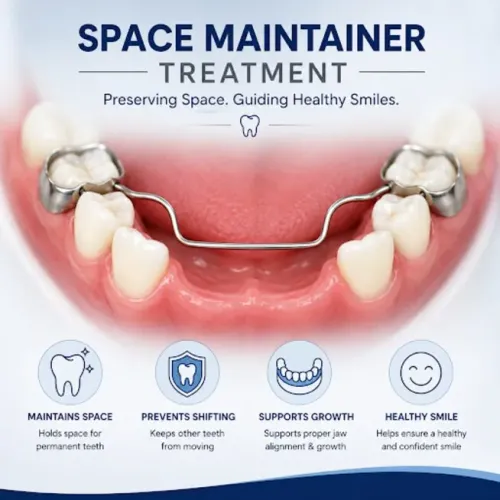
Milk teeth eventually fall out, but that does not make them unimportant. They help children chew food, speak clearly, and maintain space for developing permanent teeth.
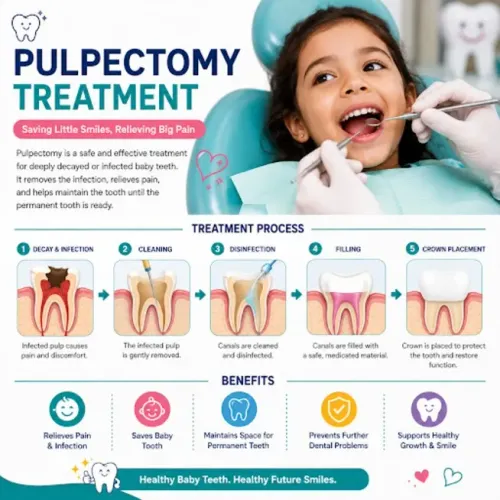
Untreated decay in a milk tooth can progress deeper into the tooth and cause pain or infection. Depending on the condition, a dentist may recommend a filling, pulp treatment, crown, or milk tooth extraction.
Saving a restorable milk tooth is generally preferred because premature tooth loss can sometimes affect the space available for permanent teeth.
Making Dental Visits Easier for Children
Children often respond better when dental visits are introduced as a normal part of healthcare rather than something to fear.
Parents can help by avoiding frightening words or sharing unpleasant dental experiences in front of the child. A calm explanation such as “the dentist will count and check your teeth” is often enough before a routine appointment.
At her practice, Dr Rohini Lahane can assess a child’s teeth, gums, bite, oral habits, and developing dentition according to the individual concern.
Prevention Begins at Home
Regular brushing with age-appropriate fluoride toothpaste, supervised brushing for younger children, sensible snacking, and routine dental examinations form the foundation of childhood oral health.
Parents should also pay attention to frequent sugary drinks, sticky snacks, bedtime feeding habits, and inadequate brushing, as these can increase the risk of tooth decay.
A visit to a kids dentist should therefore not be reserved only for dental emergencies. Early and regular dental care can help children develop healthier habits while allowing dental problems to be identified at a more manageable stage.
Keywords