Cavities can begin soon after a child’s first tooth appears, especially when plaque bacteria encounter sugar repeatedly throughout the day. By combining fluoride, supervised cleaning, sensible eating and risk-based dental care, you can reduce acid attacks and identify early damage before it becomes painful or requires extensive treatment.
Key takeaways
- Limit frequent sugary snacks and drinks between meals.
- Brush twice daily with fluoride toothpaste and supervise young children.
- Schedule regular examinations before pain or visible damage appears.
- Use fluoride varnish and sealants for the surfaces they protect best.
How cavities start—and why baby teeth need protection
Cavities start when plaque bacteria use sugars and starches to make acid. Repeated acid attacks pull minerals from enamel; frequent sugar exposure and cavities in children are linked more closely to how often teeth meet fermentable carbohydrates than to the total amount eaten at one sitting.
Understanding how cavities develop in children means controlling repeated exposures and maintaining fluoride protection.
| Exposure | Why it raises risk | Safer choice |
|---|---|---|
| Frequent juice, sweetened milk or soft drinks | Repeated sipping gives plaque bacteria and acid-producing opportunities | Offer water between meals; keep sugary drinks with meals |
| Sticky snacks | Food stays against enamel longer | Choose less-sticky foods and rinse with water |
| Bedtime bottle of milk, formula or juice | Sugar remains on teeth while saliva flow falls during sleep | Use plain water if a bottle is needed |
| Prolonged nighttime breastfeeding after teeth erupt | Frequent nighttime exposure combines carbohydrates with reduced saliva | Ask a dentist for feeding and cleaning guidance |
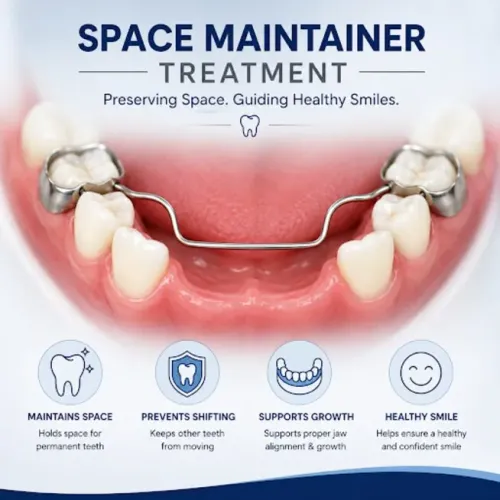
Primary teeth are not disposable. Untreated tooth decay in baby teeth can cause pain, infection, difficulty eating or sleeping, missed school, damage to developing permanent teeth and premature loss of space. Do not share spoons, food or pacifiers after putting them in your mouth, because saliva can transmit cavity-associated bacteria.
Bacteria alone do not cause cavities: plaque, susceptible tooth surfaces, fermentable carbohydrates and inadequate fluoride must also contribute.
The daily home routine that lowers cavity risk
Brush children with fluoride toothpaste twice daily, with an adult placing the paste and supervising brushing. Use this routine:
- From tooth eruption through age 3, apply a rice-grain-sized toothpaste smear.
- From age 3 to 6, use a pea-sized toothpaste amount.
- Clean the front, back and chewing surfaces of every tooth.
- Floss wherever two teeth touch.
Continue supervised brushing for children until they can reliably clean every surface themselves. Many children can spit reliably around age 3, but swallowing toothpaste matters before then because repeated ingestion during developing teeth can contribute to dental fluorosis.
Ask your child to spit after brushing rather than rinse vigorously; leaving a thin fluoride layer on the teeth gives it more repeated topical contact.
Fluoride strengthens enamel against acid and supports remineralization of early damage. That daily surface action differs from fluoride supplements, which are reserved for children at elevated cavity risk whose main drinking water is fluoride-deficient.
Do not start supplements without dental or medical review of all fluoride exposure:
- Tap or well water fluoride level
- Bottled water used for drinking or formula
- Toothpaste swallowed during brushing
- Fluoride varnish and other treatments
The decision depends on the complete exposure, not one water source. A professional can check whether supplementation adds benefit or unnecessary ingestion.
When examinations should happen and what a preventive visit includes
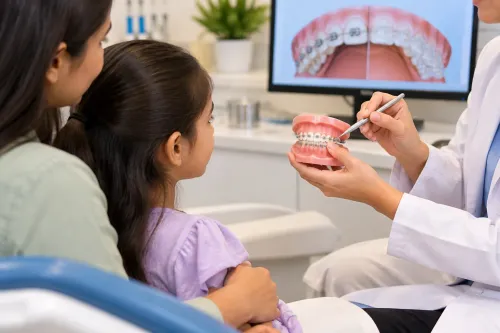
Book the first dental visit by age one, or within six months after the first tooth erupts. This paediatric preventive dental appointment establishes a child cavity risk assessment, checks eruption and jaw development, reviews fluoride exposure, and gives practical feeding and hygiene guidance before problems become visible.
There is no single children dental examination frequency for every child. Set the recall interval according to previous decay, active white-spot lesions, enamel defects, plaque, oral hygiene, diet, saliva, medical conditions, orthodontic appliances, fluoride exposure, access barriers and overall caries risk. Higher risk means shorter intervals; low risk does not mean skipping examinations.
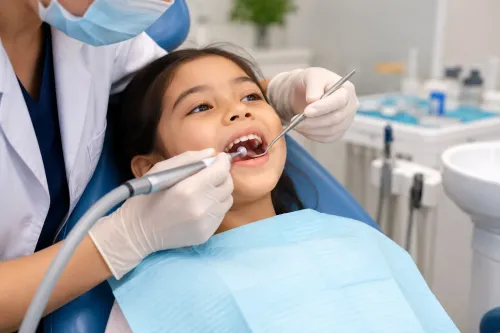
A preventive visit usually follows these steps:
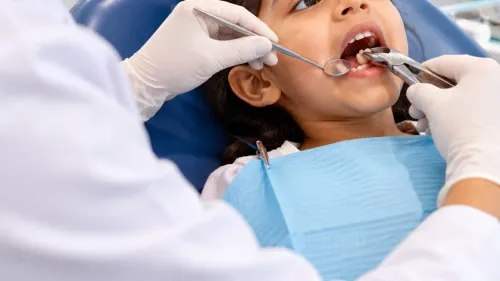
- The dentist records medical and dental history, including medicines, feeding patterns, previous fillings, pain and fluoride sources.
- Every tooth is examined for decay, white-spot changes, enamel defects, eruption progress and developing problems.
- Plaque and gums are assessed, and the bite is reviewed for crowding, crossbite or other growth concerns.
- Teeth are cleaned when plaque or deposits require professional removal.
- Fluoride treatment is provided when the child’s risk and enamel condition justify it.
- The dentist gives tailored advice on brushing, diet, feeding, sealants and the next review date.
A preventive assessment with Dr Rohini Lahane in Hadapsar, Pune can turn these findings into a child-specific schedule instead of waiting for visible cavities.
Related services
Pediatric / Kids Dental Care by Dr. Rohini Lahane in Hadapsar, Pune Dr. Rohini Lahane (BDS, MDS) believes that prevention is the foundation of lifelong oral health. View service → |
Pediatric / Kids Dental Care Kids Dental Check-up by Dr. Rohini Lahane in Hadapsar, Pune Dr. View service → |
How fluoride varnish and sealants protect different surfaces
Fluoride varnish for children is a concentrated topical treatment spread across broad enamel surfaces. It strengthens enamel, helps it resist acid attacks and supports remineralization of early mineral loss. For children younger than 5 with erupted primary teeth, primary-care clinicians are advised to apply varnish beginning when teeth erupt.
Sealants versus fluoride varnish is not an either-or choice: they protect different areas.
- Fluoride varnish covers accessible enamel across the mouth, including smooth surfaces that face repeated plaque and sugar exposure.
- Pit-and-fissure sealants are thin coatings placed mainly in the deep grooves on the chewing surfaces of permanent molars, where toothbrush bristles do not clean well. Dental sealants for permanent molars can prevent about 80% of cavities on treated chewing surfaces during the first two years and provide about 50% protection for up to four years.
- Sealant placement involves cleaning the tooth, keeping it dry, conditioning the surface as needed, applying the material and checking its retention and bite. A partly or completely worn-away sealant no longer provides full coverage, so dental examinations must include periodic checks.
Neither treatment replaces twice-daily brushing with fluoride toothpaste, regular fluoride exposure, limiting sugary foods and drinks, or dental examinations. Varnish works through repeated topical contact, while a sealant protects a vulnerable groove mechanically; both work best within the child’s daily prevention routine.
What to do when prevention finds early or active decay
A white spot without a hole is a chance to intervene, not an automatic filling. Early tooth decay in children can sometimes be controlled or partly reversed when you remove plaque, reduce sugar exposure and apply fluoride, which strengthens enamel and supports remineralization.
The next step depends on whether the surface is intact:
| Option | What it means | When it applies |
|---|---|---|
| Fluoride and monitoring | Strengthens enamel while plaque and diet are controlled | Early, noncavitated white-spot changes |
| Sealant | Covers a selected lesion and blocks plaque from pits and fissures | An early lesion on a suitable tooth with an intact surface |
| Restorative treatment | Removes or repairs damaged tooth structure | A larger cavitated lesion that cannot be sealed reliably |
| Silver diamine fluoride | Arrests cavities without drilling | Many cavitated lesions in young children or children unable to tolerate drilling |
Silver diamine fluoride for children has a clear trade-off: arrested decay usually turns black, and it does not restore lost tooth structure or tooth colour. Do not use it as a substitute for definitive treatment when pain, swelling, drainage or suspected pulpal infection indicates deeper disease.
This distinction helps answer when child tooth decay needs treatment.
Act now by:
- Stop bedtime caloric drinks and offer water between meals.
- Continue twice-daily supervised brushing with fluoride toothpaste.
- Arrange fluoride and sealant review when indicated.
- Seek dental care promptly for pain, swelling, sleep disruption or difficulty eating.
Frequently asked questions
How do cavities start in children?
Plaque bacteria use sugars and starches to produce acid, which repeatedly removes minerals from enamel. Frequent carbohydrate exposure increases cavity risk, including in baby teeth.
What daily routine helps prevent childhood cavities?
Brush twice a day with fluoride toothpaste, supervise children who need help, clean between teeth when contacts are closed, and limit frequent sugary snacks and drinks.
When should children have dental examinations?
Arrange examinations regularly and do not wait for toothache, swelling, or visible holes. A preventive visit can include an examination, risk assessment, cleaning advice, fluoride varnish, and sealant evaluation.
How do fluoride varnish and dental sealants differ?
Fluoride varnish strengthens and remineralises exposed tooth surfaces. Sealants cover deep grooves and pits, especially on back teeth, where plaque is difficult to remove.
What happens if a preventive visit finds early or active decay?
The dentist may recommend fluoride treatment and monitoring for early mineral loss. A cavity that has formed needs restorative treatment, while pain, swelling, or infection requires prompt assessment.