Milk teeth are temporary, but they play an important role in chewing, speech development, facial growth, and maintaining space for permanent teeth. Milk tooth extraction is generally considered only when keeping the tooth is no longer beneficial or when leaving it in place may affect the child’s oral health.
For parents in Mundhwa, Pune, understanding why extraction has been recommended can make the decision easier and help them prepare their child appropriately.
Why Would a Milk Tooth Need Removal?
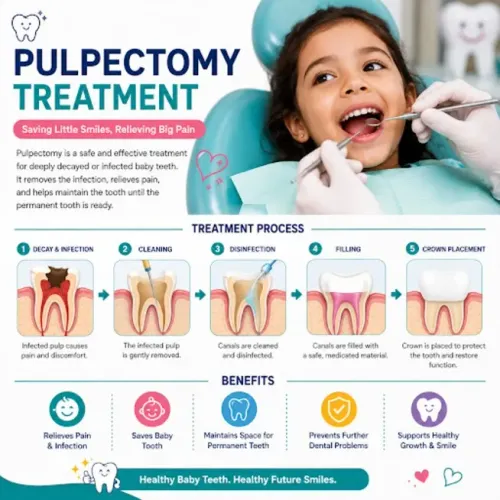
A pediatric dentist will usually examine whether a damaged primary tooth can be restored before considering removal. Extraction may become appropriate when there is:
- Extensive tooth decay that cannot be predictably restored
- Dental infection or an abscess
- A badly fractured tooth
- A loose tooth causing significant discomfort
- Delayed shedding that interferes with a permanent tooth
- Certain orthodontic space-management requirements
- Damage following a dental injury
An X-ray may be recommended to evaluate the tooth roots, infection, and position of the developing permanent tooth.
What Happens During Milk Tooth Extraction?
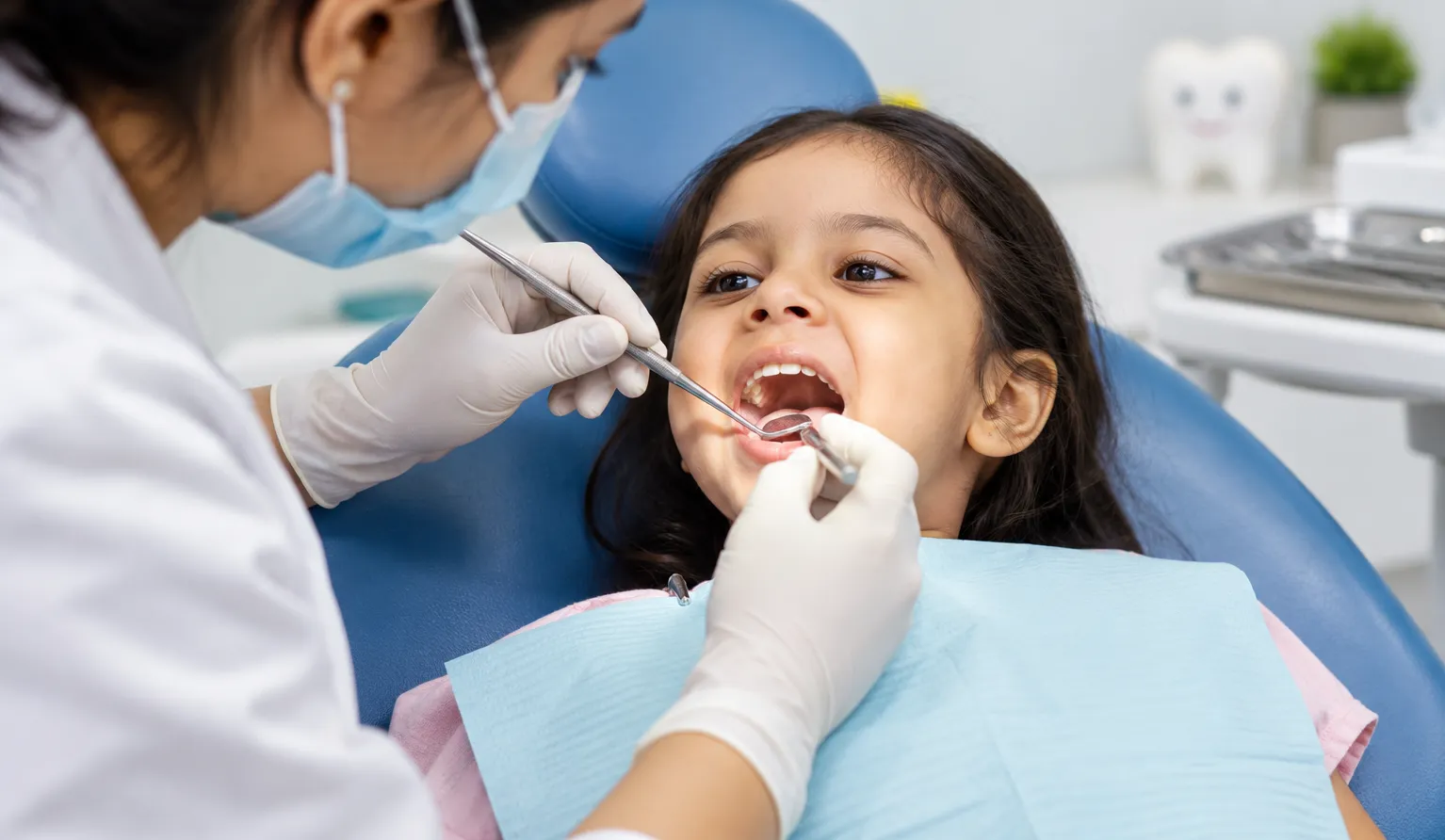
The procedure begins with a dental examination and discussion with the parent. The dentist considers the child’s age, cooperation level, medical history, tooth condition, and position of the permanent successor.
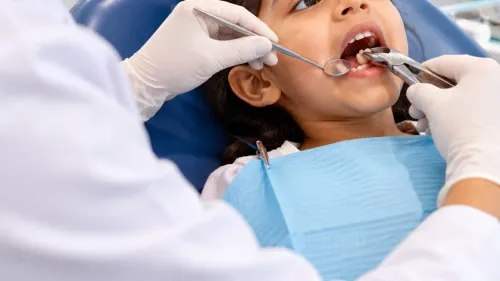
Local anaesthesia is commonly used to numb the area. The tooth is then carefully loosened and removed using instruments selected according to its shape and position.
For anxious young children, behaviour-management techniques are particularly important. A pediatric dentist is trained to communicate with children in age-appropriate ways and make treatment less intimidating.
How Long Does Recovery Take?
Minor discomfort after extraction is common and usually improves over the first few days. The gum gradually heals after the tooth has been removed.
Parents should follow the dentist’s individual instructions. General aftercare may include:
- Keeping pressure on the gauze as advised
- Avoiding vigorous rinsing immediately after extraction
- Offering soft foods initially
- Preventing the child from repeatedly touching the area
- Maintaining oral hygiene while being gentle around the extraction site
- Giving only dentist-recommended medicines when required
Very hot, hard, spicy, or sharp foods may need to be avoided temporarily.
Are There Risks?
Milk tooth extraction is a routine dental procedure when appropriately indicated, but no dental treatment is completely risk-free. Possible issues include temporary discomfort, bleeding, swelling, infection, and delayed healing.
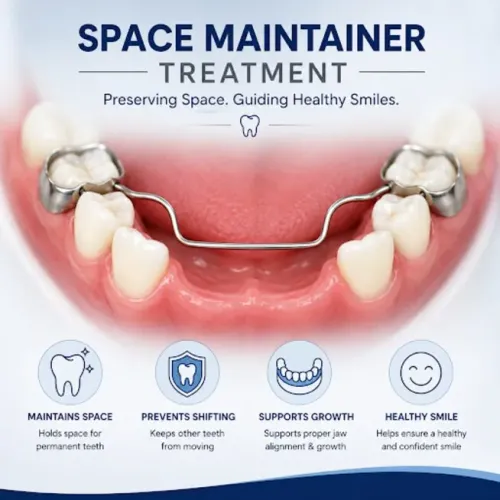
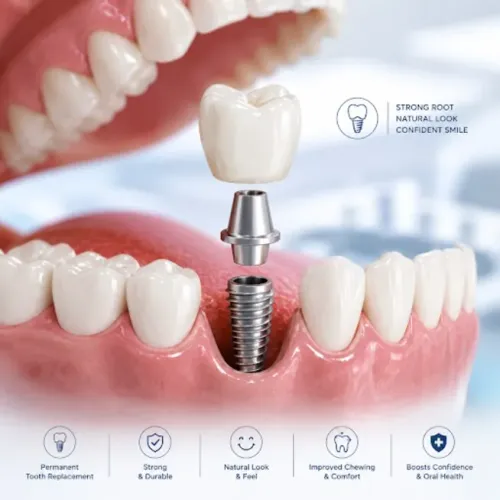
The relationship between the primary tooth and developing permanent tooth also needs consideration. Removing certain milk teeth earlier than expected may allow neighbouring teeth to shift.
In some situations, a dentist may therefore recommend a space maintainer after early extraction.
Frequently Asked Questions
Will removing a milk tooth affect the permanent tooth?
Not necessarily. The effect depends on which tooth is removed, the child’s age, and how close the permanent tooth is to eruption. Space management may sometimes be necessary.
Is extraction painful for children?
Local anaesthesia is used to reduce pain during the procedure. Children may experience mild soreness afterward.
Should every decayed milk tooth be extracted?
No. Many primary teeth can be restored. Extraction is generally considered when restoration is unsuitable or when infection, severe damage, or eruption problems make removal appropriate.
Parents seeking assessment in Mundhwa can consult Dr. Rohini Lahane for pediatric dental evaluation. The important first step is determining whether the tooth truly requires removal and how its loss could affect the developing permanent dentition.
Keywords