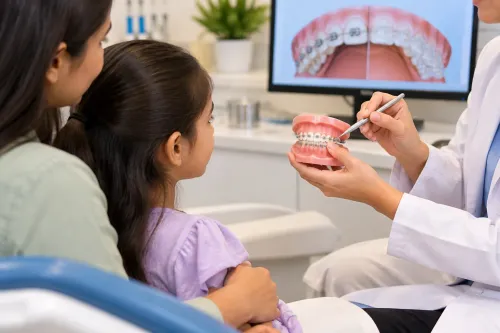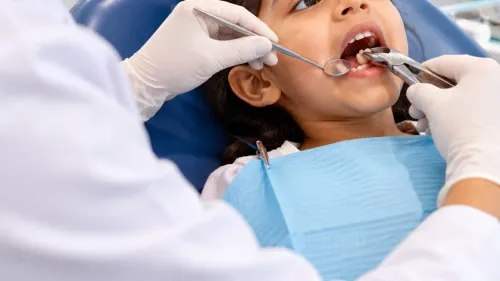
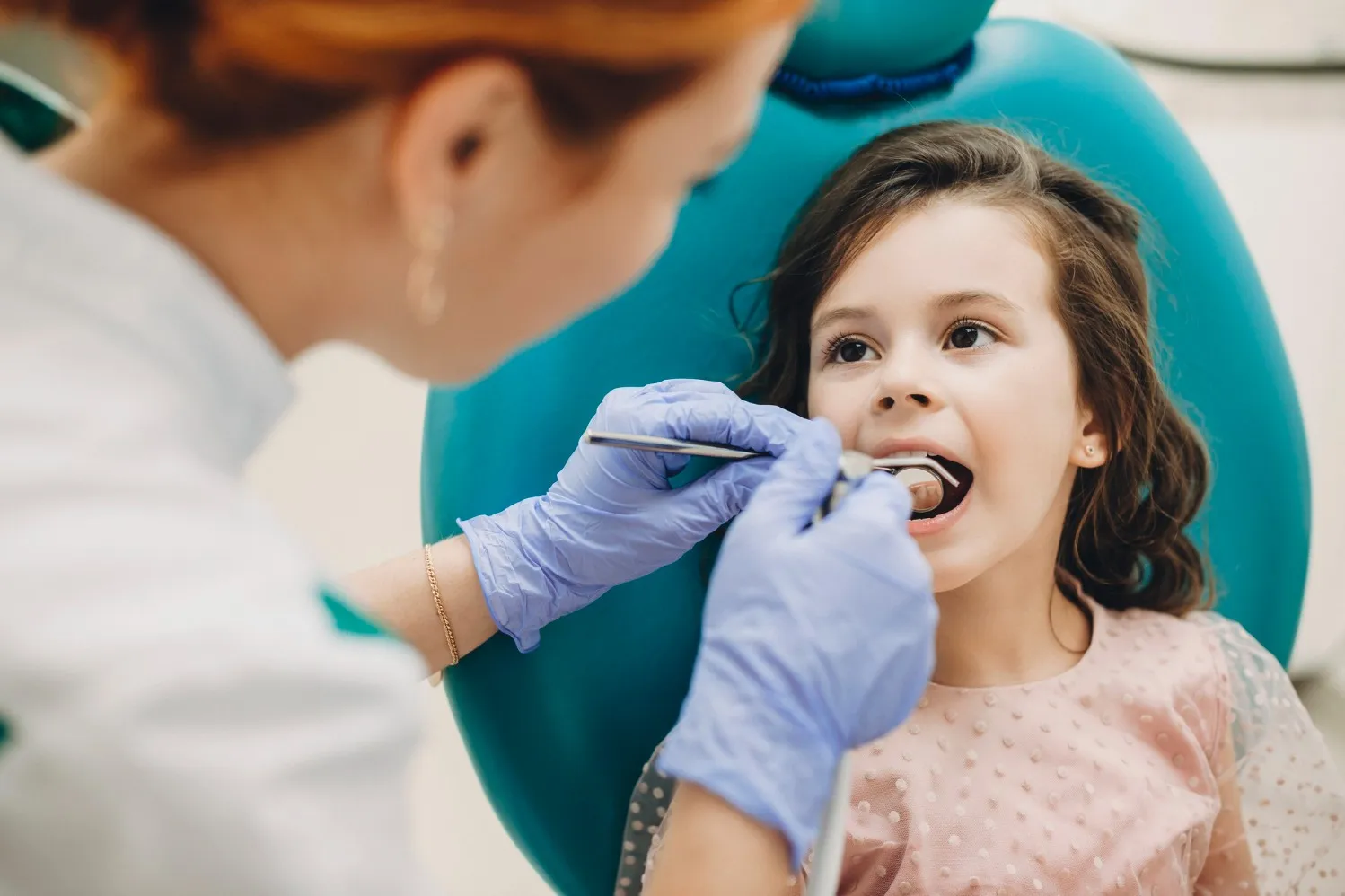
Most children require straightforward preventive dental care, but some need additional expertise because of their age, anxiety, dental condition, developmental needs, or the complexity of treatment. In these situations, consulting a Child dental specialist can provide a more age-appropriate approach.
Parents in Fatima Nagar, Pune may consider specialist assessment when routine dental visits have become difficult or when their child requires multiple procedures.
What Is Different About Pediatric Dental Care?
Children’s dentistry combines clinical treatment with an understanding of dental development and behaviour.
A young child with several cavities cannot always sit through treatment in the same way as a cooperative teenager. Likewise, a frightened child who previously had an unpleasant dental experience may require gradual behaviour guidance before complex treatment begins.
A pediatric dental evaluation considers both the disease and the child’s ability to manage the proposed procedure.
When Specialist Assessment Can Be Particularly Helpful
Parents may benefit from consulting a pediatric dental professional when a child has:
- Extensive early childhood decay
- Repeated dental infections
- Dental trauma
- Significant dental anxiety
- Difficulty cooperating during previous treatment
- Delayed or unusual tooth eruption
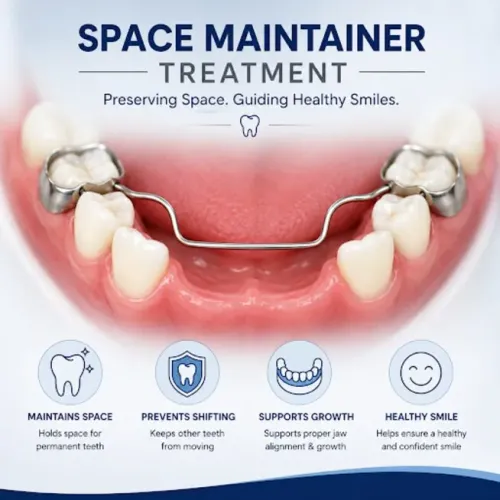
- Premature loss of primary teeth
- Oral habits affecting development
- Multiple treatment requirements
- Certain developmental or additional healthcare needs
Specialist assessment does not automatically mean complex treatment. In some cases, the most important outcome is a better prevention plan.
How Is a Treatment Plan Developed?
The dentist begins by assessing the teeth, gums, bite, dental development, and relevant medical history. X-rays may be advised when needed.
Treatment is then prioritized.
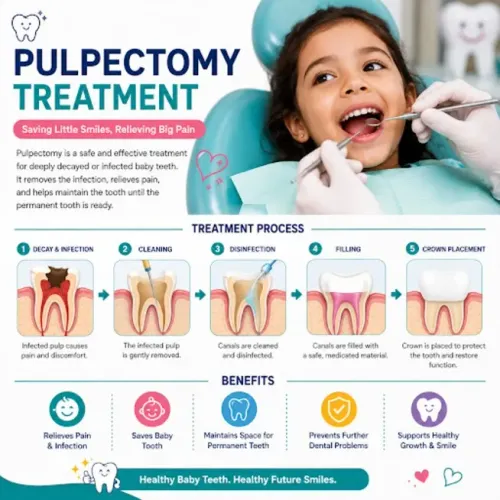
Pain and infection generally require attention before elective procedures. Teeth that can be restored may require fillings, crowns, or pulp-related treatment. Teeth that cannot be maintained may need extraction.
Preventive measures are incorporated to reduce the likelihood of the same problem recurring elsewhere.
Managing Anxiety Is Part of Treatment
Parents sometimes judge a dental appointment only by whether the procedure was completed. With children, building cooperation is also important.
Age-appropriate explanations, familiarization, positive reinforcement, and staged treatment can help selected children become more comfortable.
Parents can support this by avoiding threatening dental language at home and not using dental visits as punishment.
Recovery Depends on the Procedure
A routine preventive appointment has essentially no recovery period, while extraction, pulp treatment, trauma management, and other procedures require specific aftercare.
Parents should receive instructions regarding eating, brushing, numbness, medications where prescribed, and signs that require follow-up.
Potential risks vary by procedure and should be explained before consent. Parents should feel comfortable asking about alternatives and what may happen if treatment is delayed.
How Should Parents Compare Providers?
Look beyond labels such as “family friendly.” Ask whether the dentist routinely treats children of the same age and manages the particular dental problem involved.
It is also useful to consider communication. Parents should understand the diagnosis, available treatment choices, expected number of appointments, aftercare, and prevention plan.
For families near Fatima Nagar, Dr. Rohini Lahane provides pediatric-focused dental evaluation for children with both routine and more involved dental needs.
The value of specialist pediatric care is not simply completing a procedure. It lies in matching treatment to the child’s dental development, clinical condition, behaviour, and long-term oral health needs.
Keywords