
A toddler’s first experiences with dentistry can influence how comfortably they approach oral care later. Choosing a Dentist for toddlers is therefore about more than finding someone who can examine small teeth. The dental environment, communication style, preventive approach, and ability to manage age-specific behaviour all matter.
For families in Hadapsar, Pune, early dental visits can help identify problems before toothache or infection becomes the reason for a child’s first appointment.
Why Toddlers Need Dental Visits
Primary teeth can develop decay surprisingly early. Frequent sugary drinks, prolonged bottle habits, inadequate brushing, and repeated snacking can increase the risk.
Toddler dental visits may help with:
- Early cavity detection
- Brushing guidance
- Fluoride advice
- Feeding and snacking habits
- Thumb or finger sucking
- Pacifier habits
- Teething concerns
- Dental injuries
- Monitoring tooth eruption
Preventive visits also allow the child to become familiar with the dental environment without associating every appointment with discomfort.
What Makes Toddler Dentistry Different?
A two-year-old cannot be expected to behave like an adult patient. Some children happily open their mouths, while others may be hesitant, restless, or frightened.
A child dental specialist uses age-appropriate communication and behaviour guidance rather than expecting prolonged cooperation.
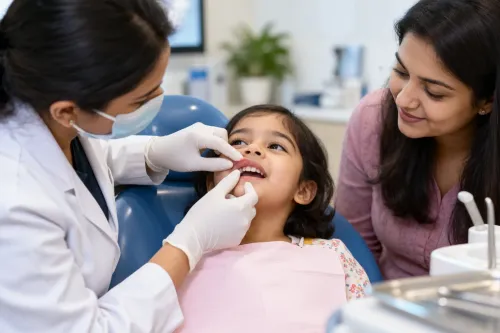
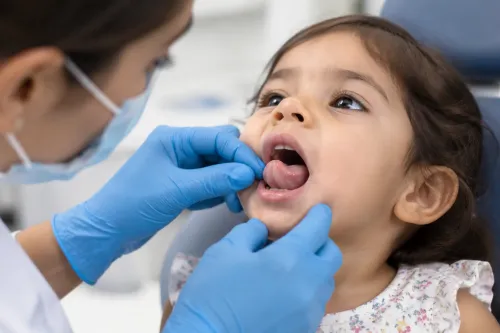
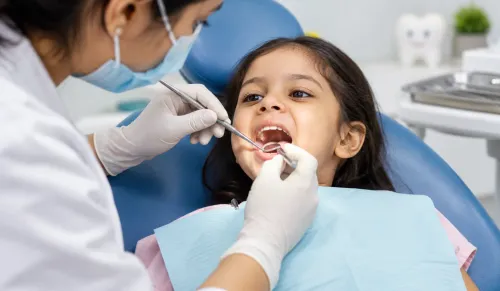
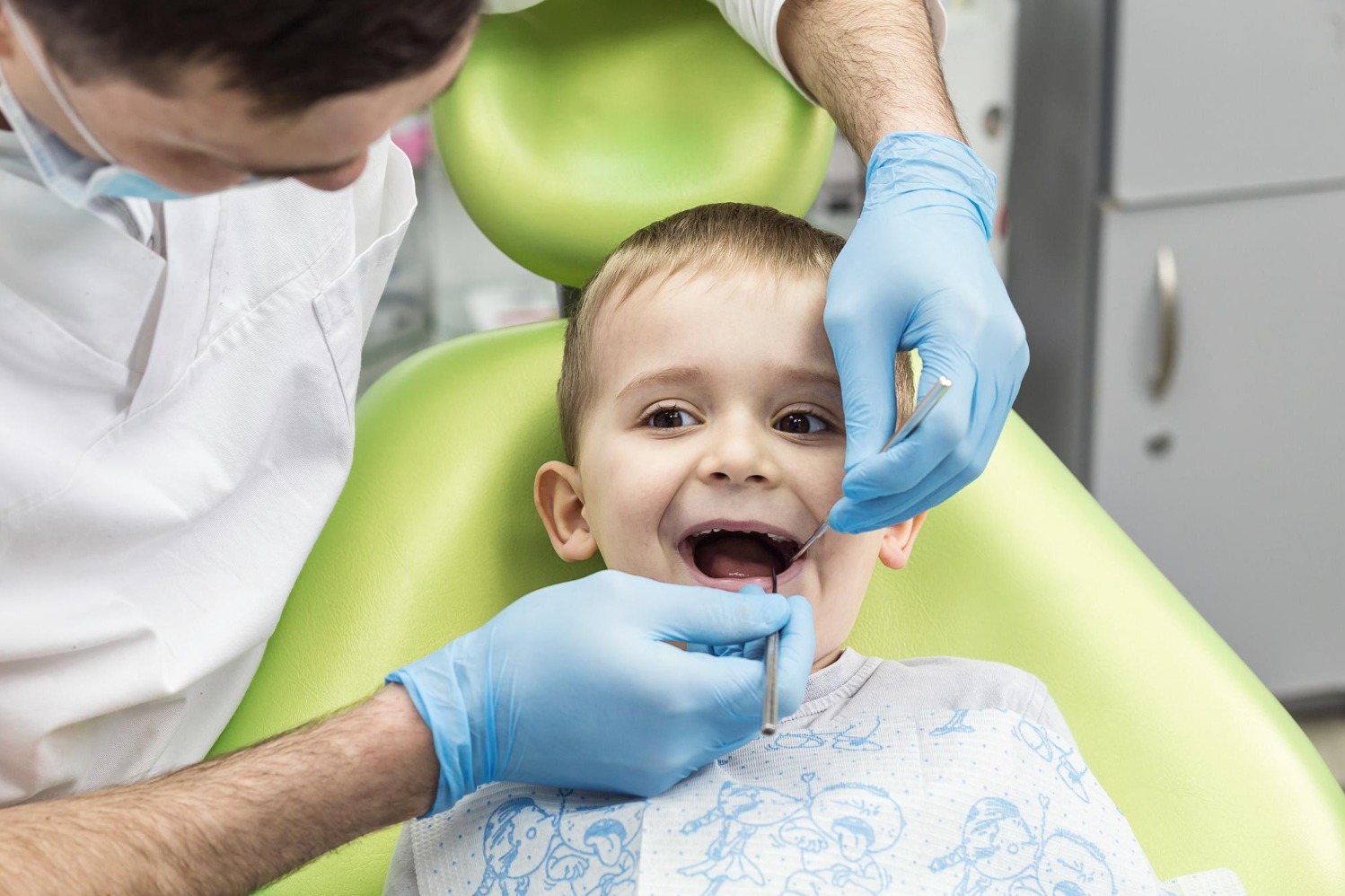
The first appointment may be deliberately simple. Depending on the child, the dentist may examine the teeth and gums, assess development, demonstrate brushing, and speak with parents about prevention.
Preparing Before the Appointment
Parents can influence how a toddler perceives the visit.
Keep explanations simple and positive. Avoid describing needles, drilling, pain, or unpleasant dental experiences from your own past. It is usually better to tell the child that the dentist will count and check their teeth.
Bring relevant medical information and tell the dentist about previous dental experiences, medications, allergies, developmental needs, and current symptoms.
If the child has severe toothache, facial swelling, fever, trauma, or uncontrolled bleeding, mention this when arranging care because urgent assessment may be necessary.
What Treatment Can Toddlers Receive?
Treatment depends entirely on the child’s dental condition. Preventive care may include professional examination, cleaning where appropriate, fluoride-based preventive measures, and dietary guidance.
When decay is present, treatment might involve restorations, pulp-related procedures, crowns, or extraction depending on severity and restorability.
Every procedure has its own benefits and risks. For this reason, parents should understand why a treatment has been recommended rather than choosing based solely on how quickly it can be completed.
What Happens After Dental Treatment?
Aftercare depends on the procedure. If local anaesthesia has been used, parents may need to prevent the child from biting or chewing the numb lip or cheek.
Following an extraction or another invasive procedure, dietary and oral hygiene instructions may temporarily change.
Children should return for follow-up when advised, particularly when decay risk is high.
Frequently Asked Questions
When should a toddler first see a dentist?
Early dental assessment is recommended so preventive guidance can begin before significant dental disease develops.
What if my toddler refuses to open their mouth?
This is common. A pediatric dental professional can adapt the examination to the child’s age and cooperation.
Should milk teeth be treated if they eventually fall out?
Yes, when treatment is indicated. Primary teeth support eating, speech, development, and space for permanent teeth.
Parents looking for toddler-focused dental care around Hadapsar can consider an assessment with Dr. Rohini Lahane, where the objective should be both treating existing problems and helping the child build healthier dental habits.