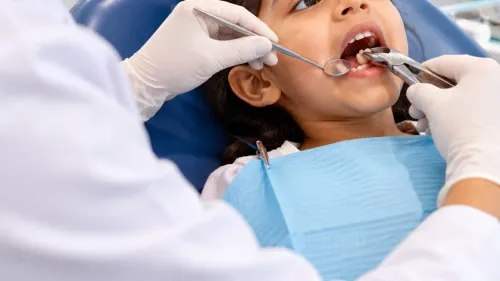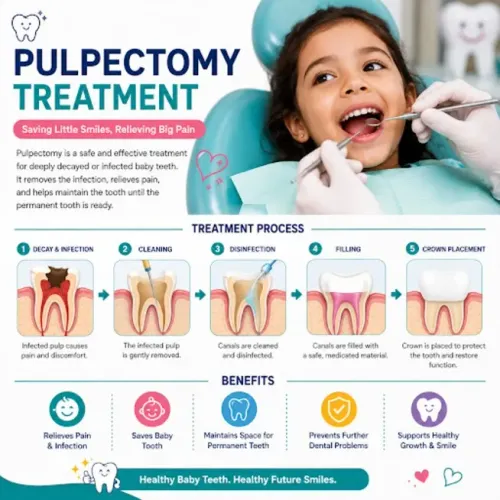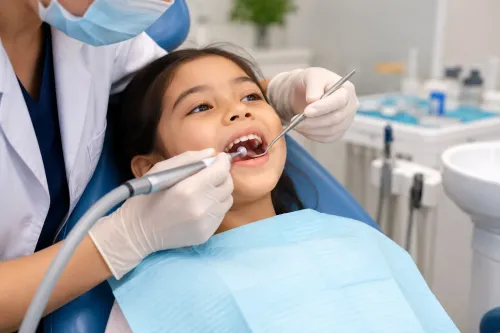
Parents occasionally search for a Dental implants specialist after a teenager loses a permanent tooth through trauma, developmental absence, or another dental problem. Implant treatment can be highly effective for suitable adults, but teenagers require additional consideration because facial and jaw growth may still be continuing.
For families in Wanowrie, Pune, the first question should therefore be whether an implant is appropriate now rather than simply how soon the missing tooth can be replaced.
Why Are Implants Different in Growing Patients?
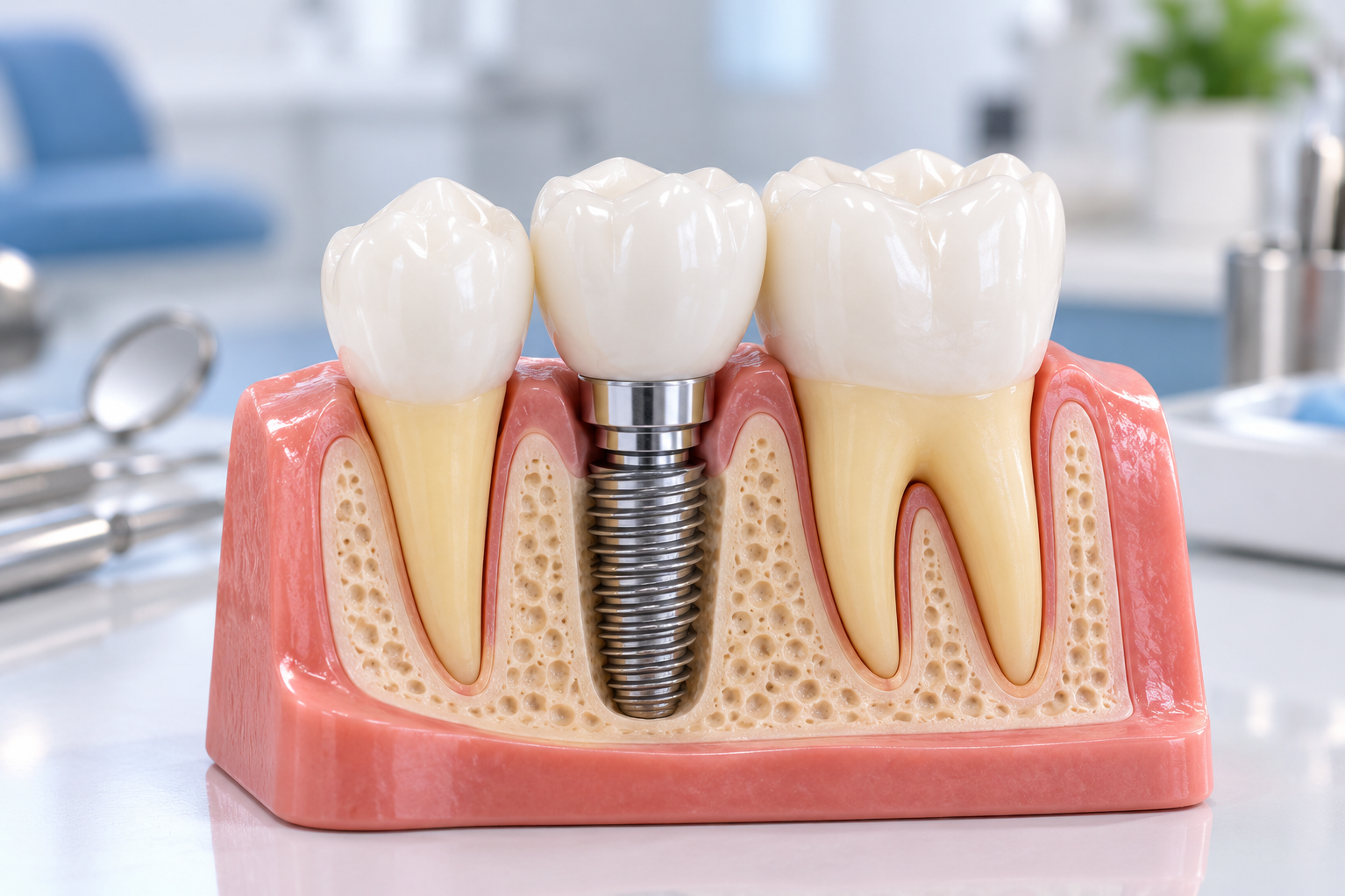
A dental implant is placed into the jawbone and does not move with natural tooth eruption in the same way as surrounding teeth.
If substantial facial growth continues after implant placement, the position of the implant-supported tooth may eventually become less harmonious with adjacent teeth.
Chronological age alone cannot always determine whether growth is complete. Individual development needs to be considered.
What Does the Evaluation Include?
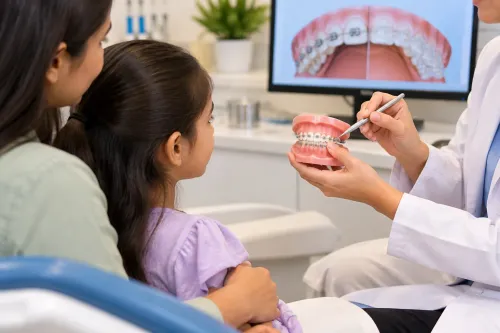
Assessment may involve the missing-tooth space, neighbouring teeth, gum condition, bite, bone availability, oral hygiene, cause of tooth loss, and stage of dental development.
Appropriate imaging may be required.
The dentist also needs to understand whether the missing tooth resulted from trauma. If an injury occurred, surrounding teeth and supporting structures may require evaluation before long-term replacement is planned.
What Can Be Done While Waiting?
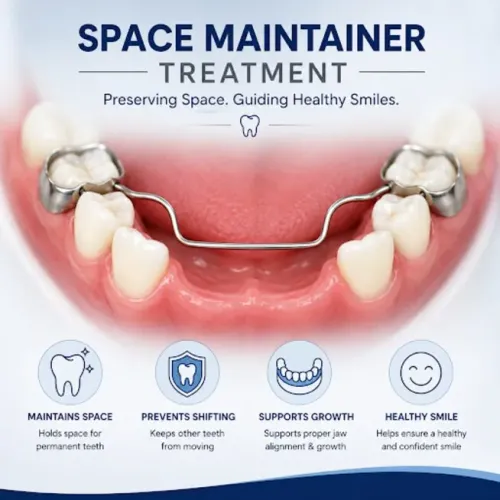
When implant placement needs to be postponed, a temporary solution may be considered.
Options vary according to the tooth involved, bite, age, and available space. Orthodontic management may sometimes be required to preserve or create the correct space.
The objective is to maintain appearance and function without compromising future definitive treatment.
What Happens When Implant Treatment Is Appropriate?
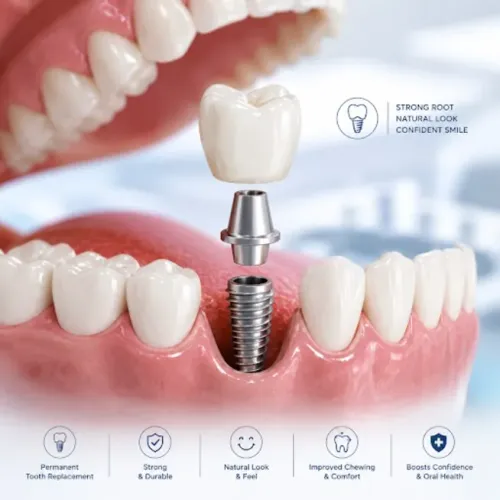
Once growth and other clinical factors are suitable, implant planning generally involves detailed evaluation followed by placement of an implant fixture in the jawbone.
A healing period is usually required before the final restoration is completed, although exact protocols differ between cases.
Some patients require additional procedures if bone or soft-tissue conditions are inadequate. This can extend the overall treatment period.
Benefits and Risks
Dental implants can provide a fixed replacement for missing teeth without requiring conventional preparation of healthy adjacent teeth in many cases.
Possible risks include infection, implant failure, gum complications, bone loss, damage to nearby structures, aesthetic problems, and the need for additional treatment.
Implants also require long-term oral hygiene and professional maintenance. They should not be viewed as maintenance-free artificial teeth.
Pre-Treatment and Post-Treatment Care
Before any surgical procedure, the dental team should review medical history, medications, allergies, oral hygiene, and relevant imaging.
Following implant surgery, patients need to follow instructions concerning cleaning, food, physical activity, and prescribed medication. Smoking and other factors affecting healing are also relevant in older patients.
Frequently Asked Questions
Can every teenager receive a dental implant?
No. Continuing jaw growth can make immediate implant placement unsuitable.
Is a missing permanent tooth always replaced with an implant?
No. Orthodontic and prosthetic alternatives may also be considered.
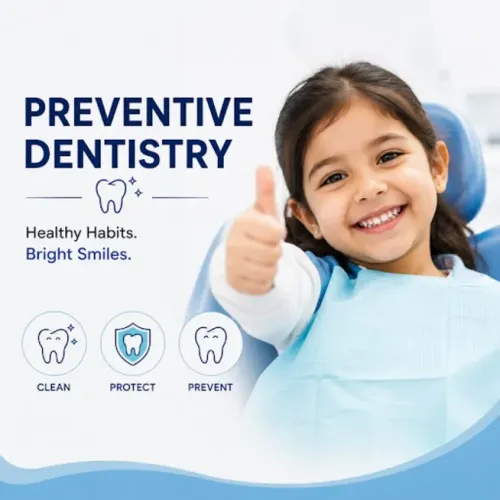
Parents seeking guidance around Wanowrie can consult Dr. Rohini Lahane for an initial pediatric dental assessment and coordinated planning where specialist implant input is needed. Careful timing is particularly important when a permanent tooth is missing before growth has fully stabilized.
Keywords