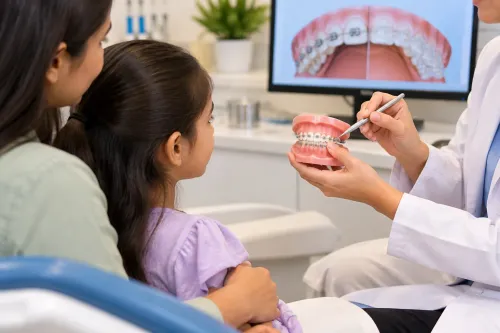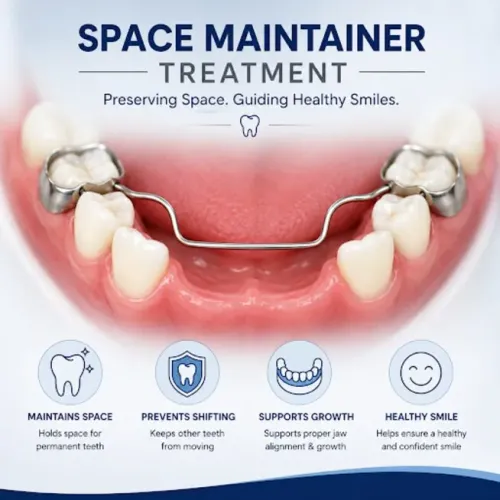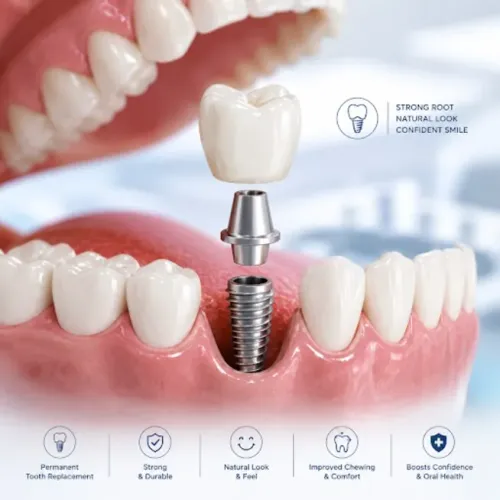
Searching for the Best dentist for a child can produce dozens of listings, reviews, ratings, and promotional claims. Yet pediatric dental care cannot be judged reliably by a single rating or advertisement. The better approach is to compare providers according to your child’s age, dental problem, anxiety level, and likely treatment needs.
For families in Wanowrie, Pune, a short checklist can make the selection process more meaningful.
Check Experience With Children
Treating a cooperative teenager is different from treating a nervous preschooler with multiple cavities.
Ask whether the dentist routinely treats infants, toddlers, school-age children, and teenagers. If your child has a particular concern such as early childhood decay, dental trauma, tongue restriction, or significant anxiety, ask about experience with that problem.
Look for Clear Diagnosis Before Treatment
A trustworthy dental consultation should explain what has been found.
Depending on the problem, assessment may include clinical examination and appropriate dental imaging. Parents should be able to understand:
- Which teeth are affected
- How severe the problem is
- Whether treatment is urgent
- What treatment choices exist
- Expected benefits
- Possible risks
- What may happen without treatment
Treatment planning should be individualized rather than automatically applying the same procedure to every child.
Ask About Behaviour Management
Fear is one of the biggest barriers to children’s dental treatment.
A pediatric-focused dentist should have strategies for introducing procedures gradually and communicating in age-appropriate language. Parents should also receive guidance about how they can help.
Avoiding frightening descriptions before the appointment can make a meaningful difference.
Consider Prevention as a Quality Indicator
Good children’s dentistry is not measured by how many procedures can be performed.
If a child develops cavities repeatedly, the dentist should explore why. Diet, brushing technique, fluoride exposure, snacking frequency, plaque retention, and individual risk factors all deserve consideration.
Preventive planning can reduce the likelihood of repeated restorations and emergency appointments.
Ask About Recovery Before Agreeing to Procedures
Different treatments have different recovery requirements.
A filling may cause temporary sensitivity. Extraction can involve short-term soreness and dietary restrictions. Orthodontic procedures may produce temporary pressure or tenderness. Frenulum procedures and other interventions have their own aftercare requirements.
Parents should know what is expected after treatment and which symptoms warrant a call to the dentist.
Do Reviews Matter?
Reviews can provide useful information about communication, appointment experience, and general patient satisfaction. They should not, however, substitute for clinical suitability.
A highly rated clinic may still not be the right provider for a particular complex pediatric condition.
Frequently Asked Questions
Should cost be the main factor?
Cost matters, but compare the diagnosis, treatment plan, materials where relevant, follow-up, and preventive care rather than choosing solely on the lowest fee.
Is a pediatric-focused dentist useful for anxious children?
It can be particularly valuable because behaviour guidance forms an important part of children’s dental care.
Parents evaluating options around Wanowrie may consider Dr. Rohini Lahane for pediatric dental assessment.
The “best” dentist is ultimately not a universal title. For a child, it means a professional with appropriate pediatric expertise who communicates clearly, recommends treatment based on clinical need, manages risks responsibly, and places long-term oral health ahead of unnecessary intervention.
Keywords