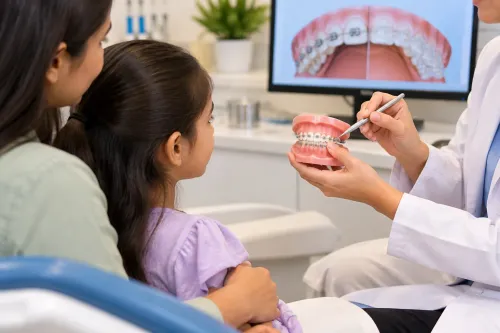
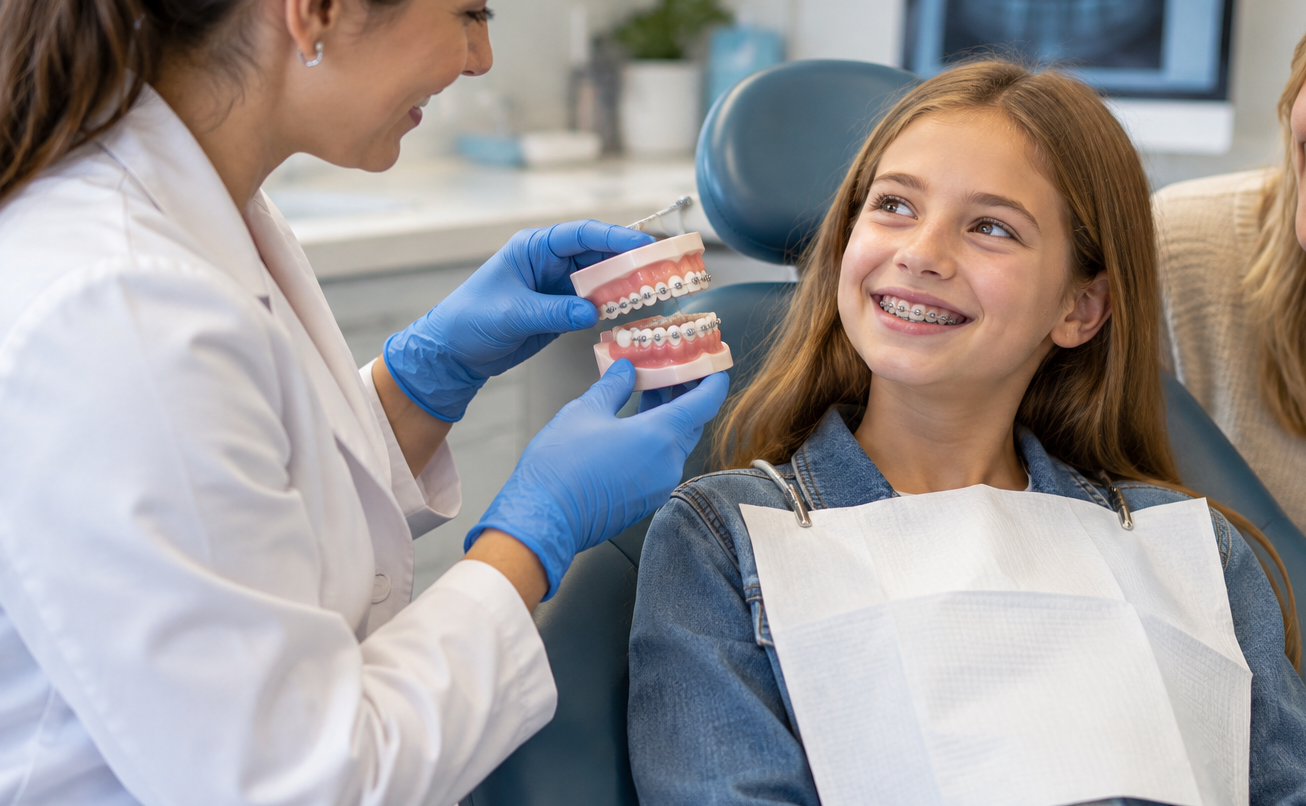
Crooked teeth do not always mean orthodontic treatment needs to begin immediately. However, certain bite and eruption problems are easier to evaluate while a child is still growing. A Kids braces consultation can determine whether treatment is needed now, should be monitored, or can safely wait until more permanent teeth have erupted.
For families in Mundhwa, Pune, an orthodontic assessment can be particularly useful when changes in tooth position or jaw development become noticeable.
Which Signs Deserve an Assessment?
Consider discussing orthodontic evaluation when you notice:
- Significant crowding
- Protruding front teeth
- Crossbite
- Noticeable overbite or underbite
- Permanent teeth erupting in unusual positions
- Difficulty biting normally
- Early or delayed loss of primary teeth
- Large gaps that appear unusual for the child’s stage
- Jaw asymmetry
- Persistent oral habits affecting the bite
Some irregularities are normal during mixed dentition, so appearance alone does not determine whether braces are required.
What Happens During the Consultation?
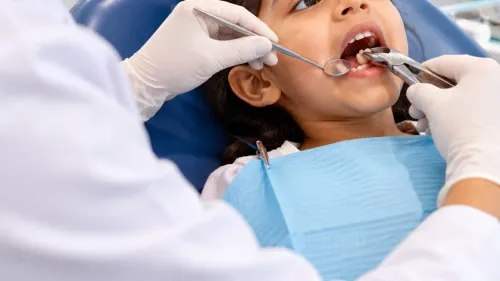
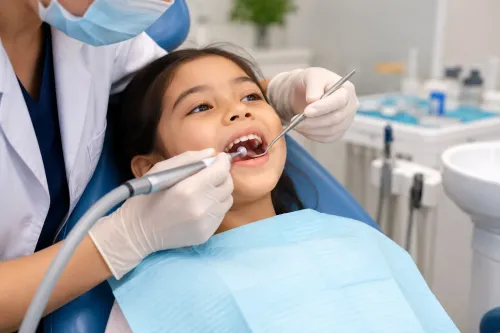
The dentist examines the child’s teeth, bite, jaw relationship, eruption pattern, and available space.
Photographs, X-rays, scans, or impressions may be recommended depending on the situation. These records help evaluate where permanent teeth are developing and whether adequate space is available.
The consultation should answer an important question: Is there a benefit to treating the problem at this stage?
Early Treatment Is Not Necessary for Everyone
Some children benefit from interceptive orthodontic treatment before all permanent teeth erupt. Others are better monitored until a later stage.
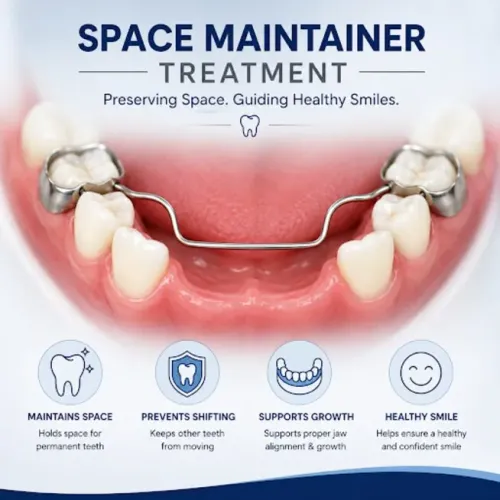
Early intervention may be considered for selected crossbites, significant protrusion, space-related problems, or certain jaw discrepancies. The exact recommendation depends on diagnosis and growth.
Starting braces unnecessarily early can lengthen the overall treatment journey without providing additional benefit. Timing should therefore be based on clinical need.
What Should Parents Ask Before Starting?
A useful orthodontic discussion should cover:
- What problem is being corrected?
- Why is treatment recommended at this age?
- What happens if treatment is delayed?
- How long is the expected treatment period?
- What appliances may be required?
- How will oral hygiene be maintained?
- Will additional treatment be needed later?
Parents should also understand the likely follow-up schedule.
Benefits and Risks of Orthodontic Treatment
Appropriate orthodontic care can improve tooth alignment, bite relationships, access for cleaning, and dental appearance.
Treatment also has responsibilities and potential risks. Poor cleaning around appliances can contribute to plaque accumulation, gum inflammation, and enamel changes. Teeth may feel sore after adjustments, and retainers are usually necessary after active treatment to reduce unwanted movement.
Cooperation is particularly important for removable appliances, elastics, oral hygiene, and avoiding foods that damage fixed braces.
Preparing for Treatment
Active decay and gum problems should generally be managed before orthodontic treatment begins. The child needs an effective brushing routine because braces create additional areas where food and plaque can collect.
Dr. Rohini Lahane can assess dental development and identify when coordinated orthodontic input is appropriate for children around Mundhwa.
A braces consultation does not commit a child to treatment. Its main purpose is to understand the developing bite and choose timing that provides a meaningful clinical advantage.
Keywords