
A toothache does not always mean you need a root canal. Sometimes sensitivity comes from a small cavity, exposed dentin, gum recession, or even temporary irritation. However, when decay or damage reaches the soft tissue inside the tooth, root canal treatment in Hadapsar may be recommended to control infection and preserve the natural tooth.
Understanding the warning signs can help patients seek dental care before the problem becomes more complicated.
What Actually Happens Inside an Infected Tooth?
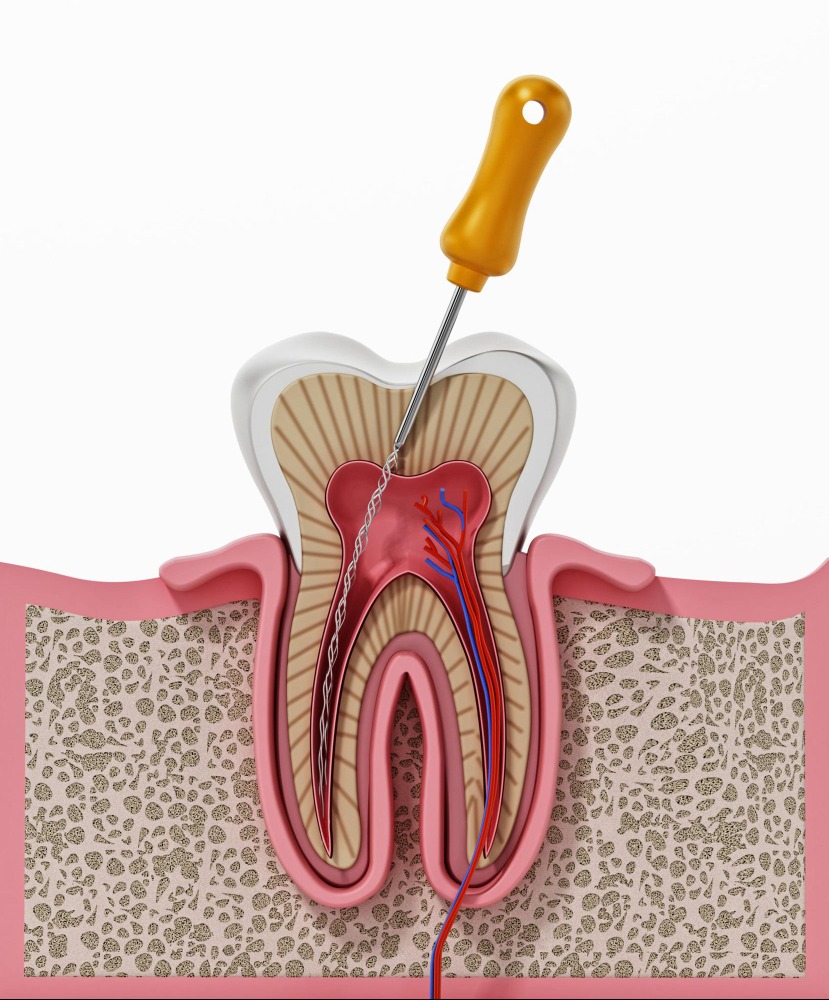
Beneath the hard outer layers of a tooth is the dental pulp, which contains nerves and blood vessels. Deep decay, cracks, trauma, or repeated dental procedures can allow this tissue to become inflamed or infected.
Once the pulp is significantly affected, simply filling the cavity may no longer solve the underlying problem.
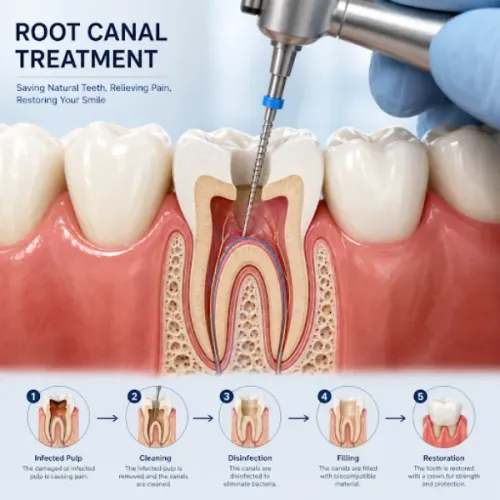
Root canal treatment involves removing the affected pulp tissue, cleaning and disinfecting the internal canals, and sealing the space. The tooth is then restored appropriately to help it function normally.
Symptoms That May Point Towards Root Canal Treatment
Not every patient experiences the same symptoms. Some common reasons to have a tooth evaluated include:
- Persistent or severe toothache
- Lingering sensitivity to hot or cold foods
- Pain while biting or chewing
- Swelling around a tooth
- Tender or swollen gums
- A pimple-like swelling on the gum
- Deep decay visible in a tooth
- Tooth discoloration following trauma
- Repeated discomfort from the same tooth
Interestingly, an infected tooth can sometimes stop hurting when the pulp loses vitality. The absence of pain therefore does not always mean that the problem has resolved.
Root Canal or Extraction?
Patients often wonder whether removing the painful tooth would be easier.
When a natural tooth has enough healthy structure and can be predictably restored, root canal treatment may allow it to be retained. Extraction may be considered when the tooth is extensively damaged, fractured in an unfavourable way, or otherwise cannot be restored adequately.
The appropriate decision depends on examination and, when indicated, dental X-rays.
What Happens During RCT?
After the tooth is assessed, local anaesthesia is generally used before treatment. The dentist accesses the pulp chamber and cleans the root canal system.
The canals are then shaped, disinfected, and filled with a suitable material to seal the internal space.
Depending on the condition of the tooth, treatment may require one or more appointments. A crown may subsequently be advised for certain teeth, particularly when considerable tooth structure has been lost.
At Dr Rohini Lahane’s dental practice, patients seeking treatment around Hadapsar, Pune, can have the affected tooth evaluated before deciding whether RCT or another dental procedure is appropriate.
Why Delaying Persistent Tooth Pain Can Be a Problem
Painkillers may temporarily reduce discomfort, but they do not remove infected tissue inside a tooth. Waiting until facial swelling or severe pain develops can make the situation more difficult.
If toothache persists, returns repeatedly, or is accompanied by swelling, getting the tooth examined can identify the cause.
Timely root canal treatment in Hadapsar, when clinically required, is primarily about removing infection and preserving a tooth that can still be restored rather than simply treating toothache.