Children can injure their teeth while playing, cycling, running, participating in sports, or simply falling at home. Knowing when to contact an Emergency dentist can influence the outcome, particularly when a permanent tooth has been knocked out or significantly displaced.
For parents in Hadapsar, Pune, having a basic response plan can reduce confusion when a dental injury happens unexpectedly.
Which Dental Problems Need Prompt Attention?
Urgent assessment may be appropriate for:
- A knocked-out permanent tooth
- A displaced permanent tooth
- Significant tooth fracture
- Persistent bleeding
- Severe dental pain
- Facial or gum swelling
- Dental abscess
- Trauma affecting several teeth
- Injury associated with difficulty closing the mouth
Head injury, loss of consciousness, severe facial trauma, breathing difficulty, uncontrolled bleeding, or other serious symptoms may require immediate hospital-based medical attention.
What Should You Do With a Knocked-Out Tooth?
First determine whether the tooth is primary or permanent.
A knocked-out milk tooth should generally not be replanted, because doing so can potentially affect the developing permanent tooth.
A knocked-out permanent tooth is different and requires urgent professional guidance. Handle it by the crown rather than the root. If dirty, it may be gently rinsed without scrubbing or scraping the root.
Prompt dental assessment is important because time outside the socket can affect prognosis.
What Happens During Emergency Assessment?
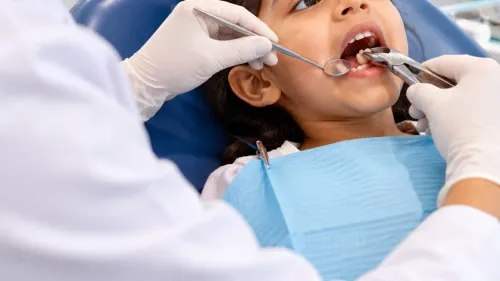
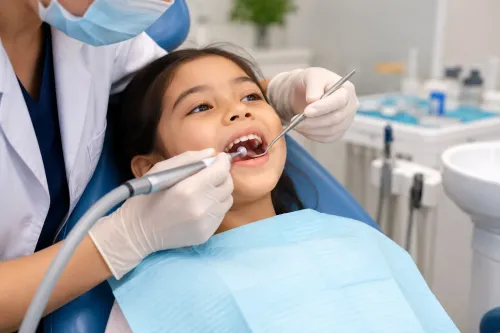
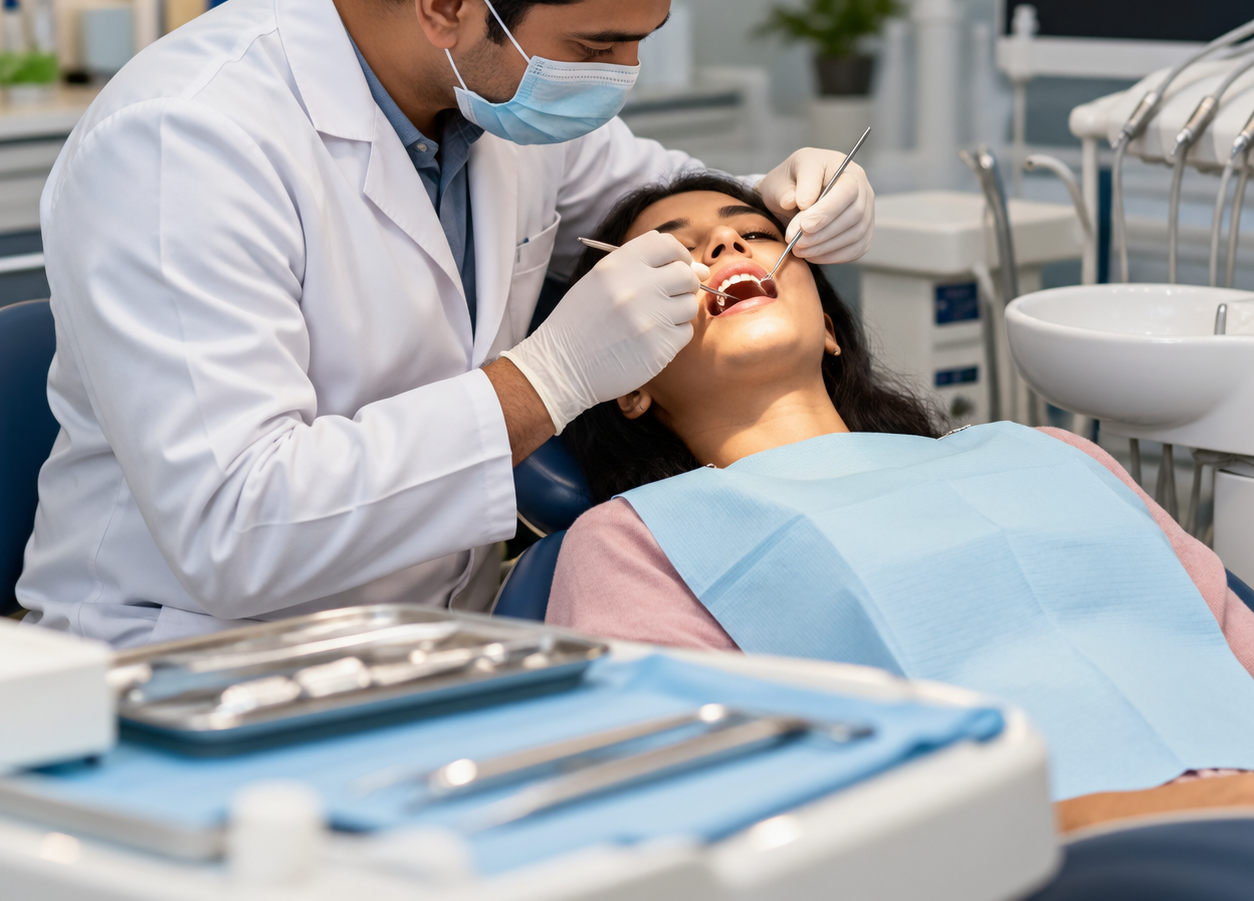
The dentist asks how and when the injury occurred and examines the teeth, gums, lips, bite, and surrounding tissues.
Dental X-rays may be needed to assess roots, supporting bone, tooth displacement, or fragments that are not visible clinically.
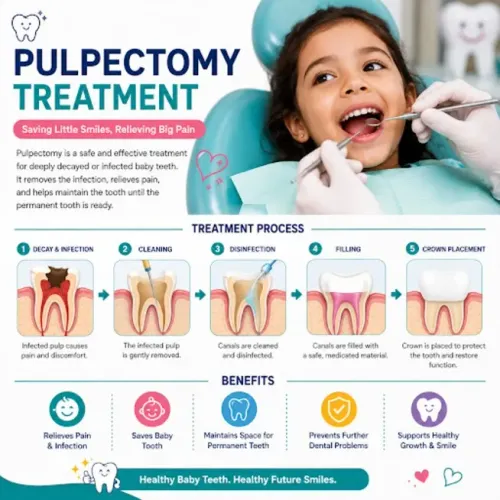
Treatment depends on the injury. A chipped tooth may require restoration, while a displaced tooth may need repositioning and stabilization. More significant injuries can require pulp-related treatment or continued monitoring.
Recovery Can Continue for Months
The visible injury may heal quickly, but traumatized teeth sometimes develop problems later.
A permanent tooth can change colour, lose vitality, develop infection, or show changes around the root after the initial injury. Follow-up visits are therefore an important part of trauma management.
During early recovery, the dentist may recommend temporary dietary modification and careful oral hygiene. Children should avoid activities that could reinjure the area until advised otherwise.
How Can Parents Reduce Dental Injury Risk?
Not every accident can be prevented. However, properly selected mouthguards can reduce dental injury risk during relevant contact and collision sports.
Children should also be encouraged to use appropriate protective equipment during cycling and other activities.
Frequently Asked Questions
Is a broken milk tooth an emergency?
It depends on the extent of injury, pain, bleeding, displacement, and surrounding tissue damage. Professional advice is appropriate when there is significant trauma.
What if my child seems fine after the accident?
Some complications appear later. A dental examination may still be advisable following meaningful trauma.
Should I put a knocked-out milk tooth back?
Generally, no. Seek dental advice instead.
Parents around Hadapsar who need pediatric dental trauma assessment can approach Dr. Rohini Lahane for evaluation. With dental injuries, the immediate objective is to identify what has been damaged, manage urgent problems, and establish the follow-up needed to protect the child’s developing teeth.
Keywords