
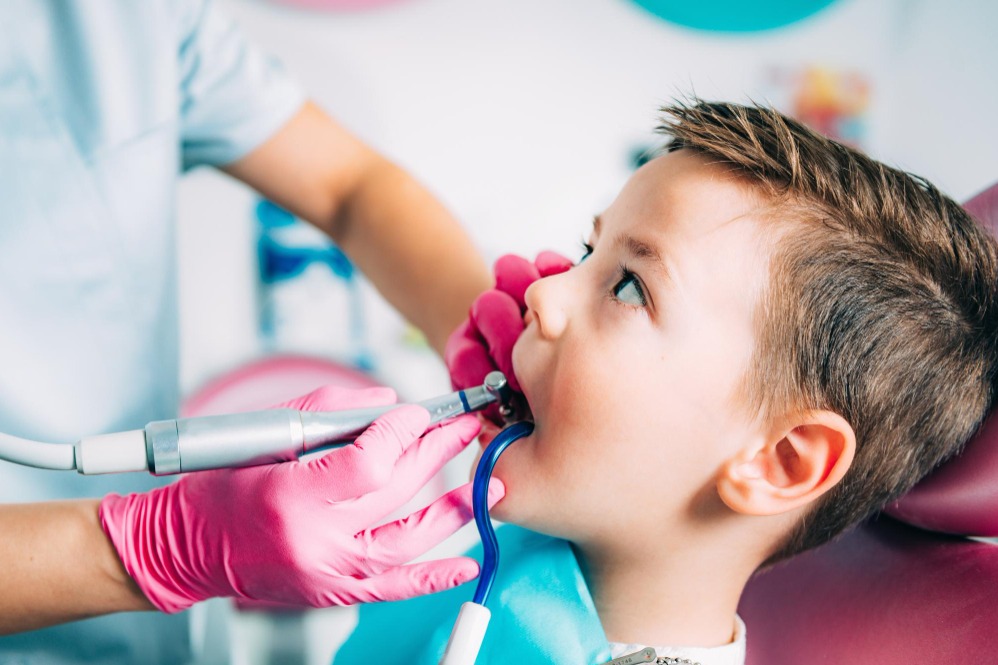
Taking a child to the dentist is different from arranging your own dental appointment. Children may be nervous about unfamiliar surroundings, unable to describe exactly where something hurts, or reluctant to cooperate when they already have tooth pain.
That makes the approach of a child dental clinic in Hadapsar particularly important. Parents should look beyond whether a clinic simply treats children and consider how childhood dental problems are assessed, explained, prevented, and managed.
A Child-Friendly Approach Is More Than a Colourful Clinic
Bright interiors and toys can make a dental setting welcoming, but communication matters more.
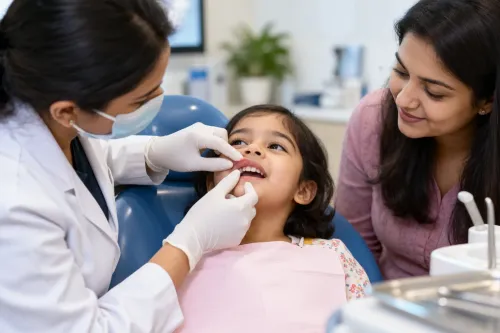
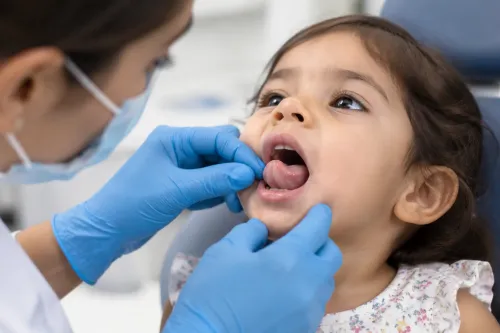
The dentist should be able to adapt the examination to the child’s age and level of cooperation. Younger children may need time to become comfortable before allowing a complete examination.
Forcing unnecessary procedures during an introductory visit can sometimes make future dental appointments more difficult.
Preventive Care Should Be a Priority
Children should not visit a dentist only when they have toothache.
A useful childhood dental programme includes monitoring for:
- Early tooth decay
- Gum health
- Brushing effectiveness
- Permanent tooth eruption
- Crowding and bite development
- Oral habits
- Dental injuries
- Diet-related cavity risk
Parents should also receive practical advice they can follow at home.
Ask How Milk Teeth Are Managed
One useful indicator of child-focused dental care is how the dentist approaches damaged milk teeth.
Because primary teeth eventually fall out, parents may assume extraction is always the easiest answer. However, milk teeth help with chewing, speech, and maintaining space for permanent teeth.
Depending on the tooth and extent of damage, treatment could involve monitoring, a filling, pulp therapy, restoration, or extraction.
If a milk tooth needs to be removed earlier than expected, the dentist may also evaluate whether space management should be considered.
Check Whether Growth and Developing Teeth Are Monitored
Children’s mouths continually change.
As permanent teeth begin to erupt, problems such as crowding, unusual eruption, bite discrepancies, or retained milk teeth may become apparent.
Early identification does not necessarily mean immediate braces. In many situations, observation is appropriate until the child reaches a suitable developmental stage.
Dental Emergencies Need Calm Assessment
Falls and playground injuries are common during childhood. A chipped, displaced, or injured tooth should be evaluated appropriately, particularly when a permanent tooth is involved.
Parents should also arrange prompt assessment for facial swelling, severe toothache, dental infection, or significant trauma.
Families looking for children’s dental care around Hadapsar, Pune, can consult Dr Rohini Lahane for assessment of concerns involving milk teeth, cavities, tooth development, dental pain, and other oral health needs.
Build a Dental Routine Before Problems Begin
The ideal time for a child to become comfortable with dental visits is not during a severe toothache.
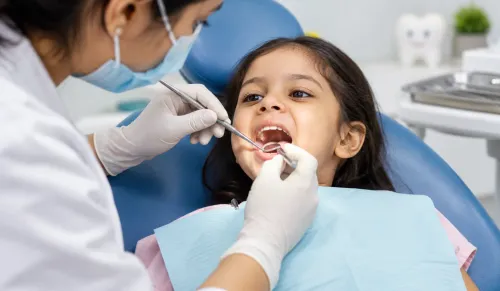
Routine examinations allow the child to become familiar with the environment while giving parents opportunities to discuss brushing, diet, tooth eruption, and cavity prevention.
When comparing a child dental clinic in Hadapsar, look for patient communication, preventive guidance, appropriate treatment of milk teeth, developmental monitoring, and a measured approach to treatment.
A positive relationship with dental care during childhood can make routine oral healthcare much easier as permanent teeth emerge and the child grows into adolescence.