
When a child develops one cavity after another, simply filling each affected tooth may not address the underlying problem. A pediatric dentist looks beyond the individual cavity to understand why decay is recurring and what can be changed to reduce future risk.
For parents in Mundhwa, Pune, repeated dental treatment can be frustrating, particularly when brushing seems regular. A structured cavity-risk assessment can identify factors that are easy to overlook at home.
Why Do Some Children Develop More Cavities?
Dental decay occurs when tooth surfaces are repeatedly exposed to conditions that favour acid-producing bacteria. Frequency of exposure matters greatly.
Common contributors include:
- Frequent sugary snacks
- Sweetened beverages
- Repeated sipping between meals
- Inadequate brushing
- Difficulty cleaning crowded teeth
- Insufficient fluoride exposure
- Previous extensive decay
- Certain medical or developmental circumstances
Even foods marketed as healthy can contribute when they are sticky, sweet, and eaten frequently.
What Does the Dentist Assess?
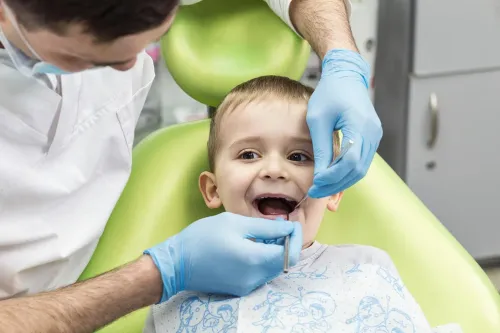
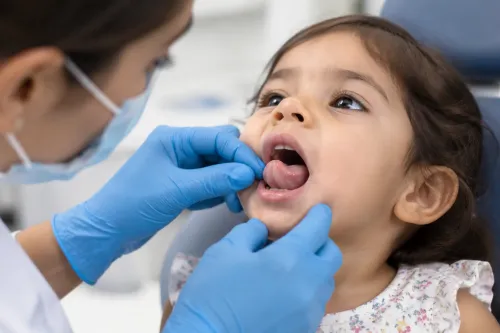
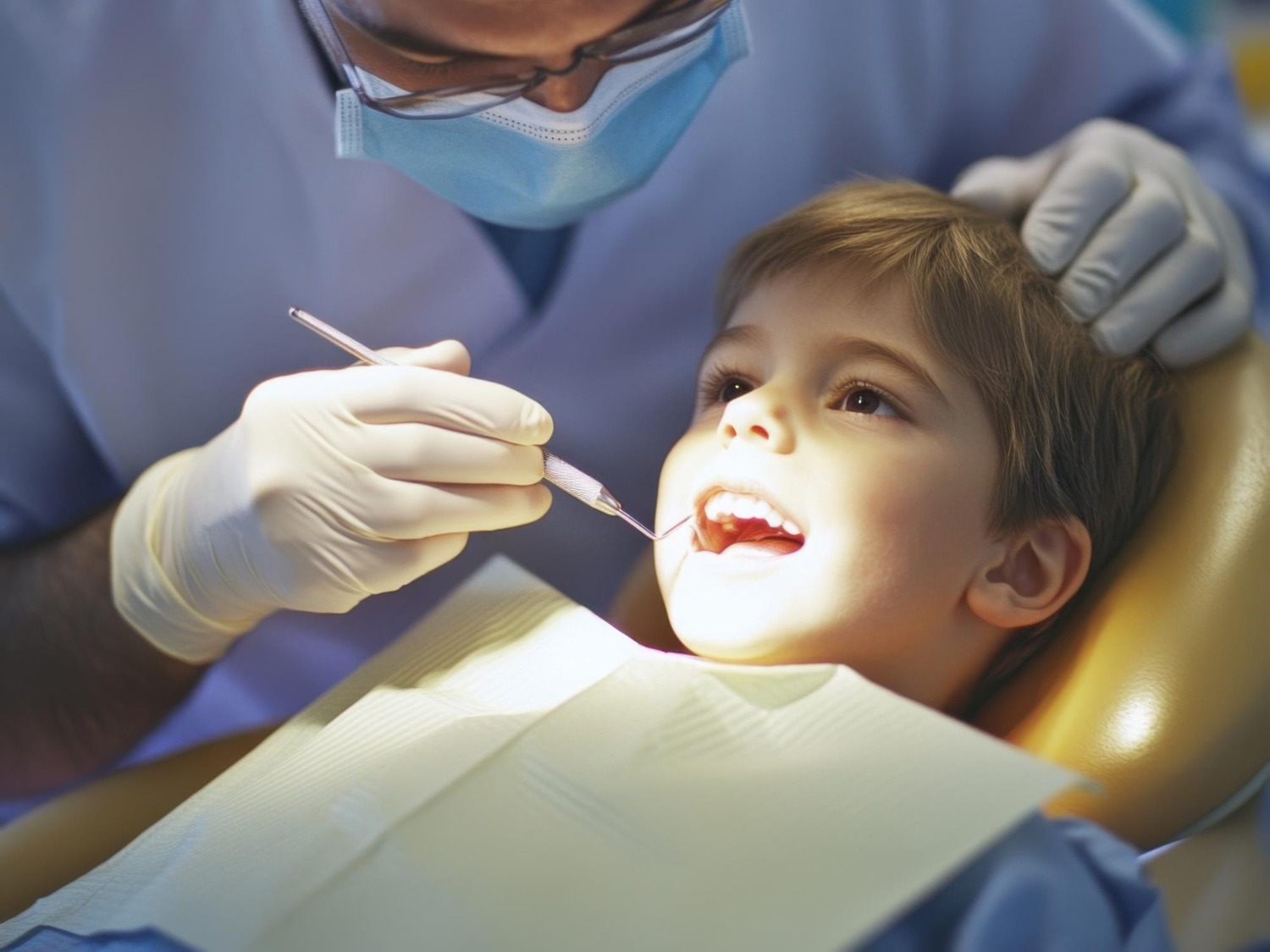
The appointment usually includes an examination of the teeth, gums, existing restorations, and areas where plaque accumulates. Dental X-rays may be recommended when clinically appropriate because cavities between teeth may not be clearly visible during a visual examination.
The dentist may also ask about the child’s daily routine.
Parents should be prepared to discuss brushing frequency, toothpaste, snacks, drinks, bedtime habits, previous dental treatment, and relevant medical history.
This information can reveal why cavities continue despite previous treatment.
Treatment Depends on the Stage of Decay
Very early enamel changes may sometimes be managed through preventive strategies and monitoring rather than immediate drilling. Once a cavity has progressed further, restorative treatment may be required.
Depending on the tooth and severity, management can include fillings, pediatric crowns, pulp treatment, or extraction when the tooth cannot reasonably be restored.
The goal is to preserve healthy tooth structure wherever possible while controlling infection and maintaining function.
Prevention Is Part of Treatment
For children at higher cavity risk, prevention requires more than simply telling them to brush better.
A practical plan may address:
- Brushing technique and parental supervision
- Appropriate fluoride toothpaste use
- Frequency of sugary foods and drinks
- Cleaning between teeth where required
- Professional preventive measures
- Recall intervals based on individual risk
Parents should avoid making major changes to fluoride products or supplements without professional advice because recommendations vary according to age and circumstances.
Benefits and Risks of Early Intervention
Managing decay early can reduce the likelihood of pain, infection, more extensive treatment, and disruption to eating or sleep.
Dental procedures still have potential disadvantages, including temporary sensitivity, discomfort, restoration failure, or the need for future treatment. The appropriate option depends on how much healthy tooth remains and how long the tooth needs to function.
When Should Parents Seek Earlier Assessment?
Do not wait for a routine visit if the child develops persistent toothache, swelling, a gum boil, facial swelling, difficulty eating, trauma, or sensitivity that is worsening.
Dr. Rohini Lahane provides pediatric dental assessment where the cause of repeated decay can be evaluated alongside the individual teeth requiring care.
The most useful question is not simply, “Which tooth needs a filling?” It is “Why does my child keep developing cavities?” Answering that question can make future dental care considerably more preventive.